
The Most Successful Music Videos Ever
Introduction to Iconic Music Videos
Music videos hold a unique place in the music world, blending visual storytelling with sound to create unforgettable experiences. They are more than just accompaniments to songs—they are powerful tools for self-expression, cultural commentary, and artistic innovation. Over the decades, music video artists have pushed creative boundaries, using visuals to amplify their messages and connect with audiences on a deeper level.
From bold narratives to cutting-edge technology, music videos have consistently evolved, reflecting changes in culture and the industry itself. The rise of platforms like MTV and, later, online streaming reshaped how these works were consumed, giving artists a agency to reach global audiences instantly. This accessibility brought the art form to new heights, offering creative freedom and opportunity to musicians everywhere.
By integrating memorable performances, stunning visuals, and compelling concepts, music videos have the power to resonate beyond the music itself. They set trends, spark conversations, and establish artists as not just musicians but as complete creative forces. Each visual masterpiece tells a story, whether it’s through emotionally charged choreography, groundbreaking effects, or intimate glimpses into an artist’s vision.
Today, we look back at the videos that transformed the way we experience music and celebrate the creators behind them. From their cultural significance to their ability to spark innovation, these works have become pillars of artistic achievement, proving that music and visuals together can be truly transformative.
Criteria for Selection
Creating this list involved looking at music videos that have left an undeniable mark on both the music world and pop culture as a whole. The selection process focused on identifying works that broke new ground through artistic creativity or set trends that shifted the industry’s direction. Each video chosen had to demonstrate a strong sense of originality, whether through innovative visuals, compelling storytelling, or its ability to bring the artist’s vision to life in a way that felt entirely unique.
Beyond artistic merit, commercial success also played a vital role. These videos not only captivated viewers but also helped the songs climb the charts, driving record-breaking sales and streams. They contributed to the artist’s visibility, sparked conversations, and strengthened connections with fans.
The inclusion of these works also reflects the ways in which music videos have become a cornerstone of an artist’s branding and image. Many of these pieces shaped public perceptions, introduced unforgettable imagery, and elevated careers to new heights. Whether through groundbreaking animation, choreography, or cinematic techniques, each video created something memorable that resonated with audiences long after its release.
Ultimately, these music videos were chosen because they represent moments where creativity, impact, and success intersected. Each one is a testament to the artist’s ability to bring music and visuals together in ways that shaped how fans engage with their work.
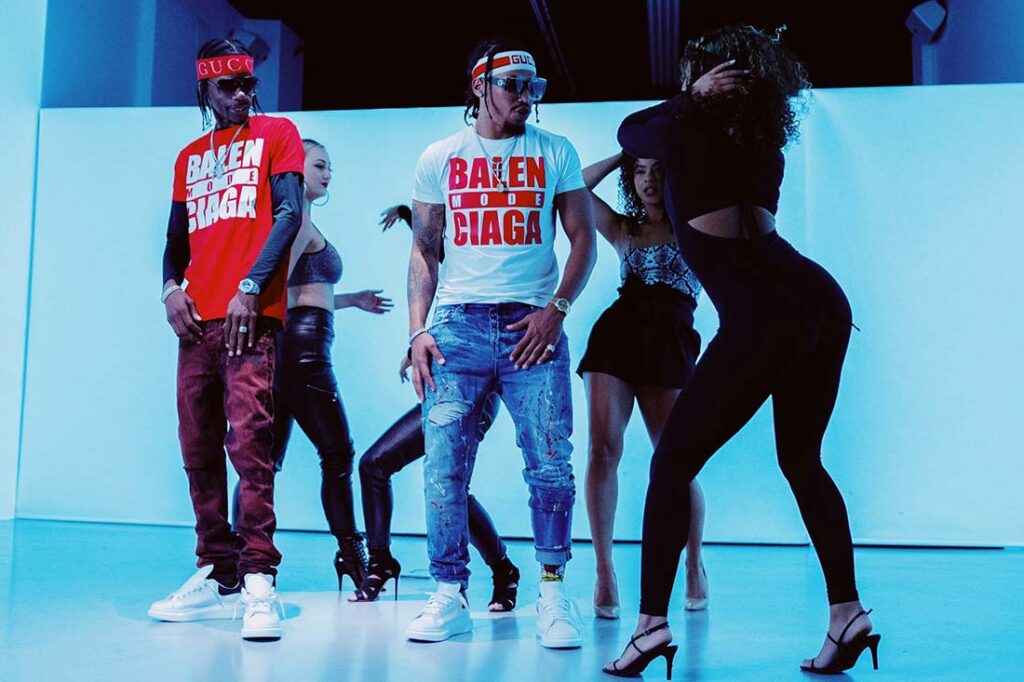
The Pioneers of Music Videos
1. Michael Jackson – ‘Thriller’: This video redefined what a music video could be, blending cinematic storytelling with choreography and groundbreaking special effects. Its cultural impact is unparalleled, setting a new standard for visual and musical creativity.
2. Madonna – ‘Like a Prayer’: Fearlessly tackling controversial themes, Madonna used this video to challenge societal norms while delivering unforgettable imagery. Its boldness and artistry solidified her as a trailblazer in both music and visual media.
3. Queen – ‘Bohemian Rhapsody’: Often regarded as one of the first true music videos, this groundbreaking piece showcased innovative visual techniques and became an enduring symbol of the song’s monumental success.
4. David Bowie – ‘Ashes to Ashes’: With its surreal visuals and avant-garde style, this video reflected Bowie’s unmatched ability to combine music with daring artistic expression. It broke barriers and inspired a new era of creative experimentation.
5. Duran Duran – ‘Hungry Like the Wolf’: Filmed in exotic locations and featuring cinematic storytelling, this video captured the band’s charismatic energy while elevating the importance of high production value in visual projects.
Visual Storytelling in the ’90s
The 1990s were a pivotal era for music videos, as they became more than promotional tools—they emerged as a form of art that pushed creative boundaries and amplified the voices of a new generation of artists. Nirvana’s “Smells Like Teen Spirit” encapsulated the raw energy of the grunge movement, presenting a visually rebellious aesthetic that mirrored the song’s unapologetic sound. This video not only introduced grunge to the mainstream but also redefined what authenticity in music could look like.
TLC’s “Waterfalls” combined heartfelt storytelling with cutting-edge visual effects, addressing critical social issues in a way that resonated deeply with audiences. The seamless blending of narrative and technology showcased the group’s ability to create visuals as impactful as their music. This video remains a cornerstone of 1990s music video innovation, setting an example of how socially conscious themes could align with creative expression.
Artists began to embrace bigger, bolder concepts during this decade, elevating their visual storytelling to match their music’s ambition. Iconic music videos in this period reflected the cultural and emotional currents of the time, from societal challenges to the exploration of identity and self-expression. This golden age of music videos not only gave fans a deeper connection to their favorite songs but also solidified the importance of the visual medium in defining an artist’s place in the industry.
2000s: Digital Era and Creative Breakthroughs
The 2000s ushered in a new age of creativity for music videos, fueled by advances in digital technology and the growing influence of the internet. This period saw artists pushing the boundaries of visual expression, crafting bold concepts that matched the ambitious scope of their music. Music videos became more than just a complement to songs—they transformed into standalone works of art that demanded attention and sparked conversations across global audiences.
OutKast’s “Hey Ya!” burst onto the scene with its vibrant energy and innovative split-screen presentation, creating a visual experience as infectious as the track itself. The playful yet meticulous choreography and retro aesthetic made it a cultural phenomenon, leaving an unforgettable mark on the decade.
Lady Gaga’s “Bad Romance” redefined the era with its daring visuals and theatricality. The video showcased Gaga’s bold fashion choices, haunting imagery, and complex storytelling, cementing her as a leading force in blending music with high-concept visuals. Its ability to provoke thought while captivating viewers demonstrated a new level of artistry in the medium.
The rise of online platforms like YouTube revolutionized how fans interacted with music videos. Suddenly, accessibility reached unprecedented heights, allowing groundbreaking works to reach millions in just a matter of clicks. This shift gave artists more control over their creative output, allowing them to explore imaginative ideas that resonated deeply with their audience.
During this transformative decade, music videos became an essential agency for self-expression, allowing artists to visually articulate their messages in fresh and exciting ways. The innovative energy of the 2000s paved the way for future creators to experiment, collaborate, and embrace the endless possibilities of visual storytelling.
Recent Innovations in Music Videos
Recent years have brought a surge of creativity in music videos, with artists pushing boundaries and redefining how stories are told visually. The blending of artistry with powerful messaging has resulted in works that not only entertain but also spark important conversations. Beyoncé’s “Formation” stands out as a visually striking piece that celebrates culture and resilience. Every frame is rich with symbolism, showcasing her ability to merge music and imagery into a unified, impactful statement. The video’s bold themes resonated deeply, leaving a lasting impression on both fans and the music world.
Similarly, Childish Gambino’s “This Is America” uses vivid imagery to comment on pressing societal issues, seamlessly intertwining performance with profound commentary. The choreography, symbolism, and intentional contrast between chaos and calm made it impossible to look away. Its layered visuals prompted discussions far beyond the music itself, solidifying its role as a cultural landmark.
What makes these videos exceptional is their fearless approach to tackling complex themes while maintaining artistic integrity. They highlight the growing role of music videos as a medium for expression that extends beyond the song. Artists today are crafting works that are meant to be revisited, analyzed, and discussed, reflecting an era where visuals are as essential as the music they accompany.
In a time when digital platforms have made music videos more accessible than ever, these groundbreaking works demonstrate the immense potential of the medium. From intricate storytelling to striking aesthetics, today’s creators are harnessing every tool at their disposal to leave a lasting impact, ensuring their art reaches audiences worldwide.

Spotlight on Diverse Music Video Styles
Diversity in music video styles has consistently pushed the boundaries of artistic expression, allowing creators to craft visuals that resonate across different genres and themes. Each video offers a fresh perspective, highlighting the unique voices of the artists behind them. From groundbreaking animation to unforgettable imagery, these works showcase the limitless potential of blending sound and visuals.
Radiohead’s “Paranoid Android” is a standout example of how animation can transform a song into an otherworldly experience. The surreal, hand-drawn visuals transport viewers into a dreamlike narrative, perfectly complementing the band’s distinctive sound. The video’s abstract storytelling offers layers of interpretation, inviting viewers to engage deeply with its complex themes.
Britney Spears’ “…Baby One More Time” is an iconic moment in pop music history, remembered not just for its infectious melody but also for its instantly recognizable imagery. The school hallway setting, paired with simple yet effective choreography, captured a moment in time that defined the late ’90s. Its cultural impact was immediate, solidifying Spears as a pop sensation and proving how a strong visual concept could amplify a song’s success.
This range of styles emphasizes the adaptability of music videos as a creative medium. Whether through unconventional animation or bold pop visuals, each piece brings a distinct voice to the table. These videos remind us that the fusion of music and visuals creates powerful moments that leave a lasting impression.
Closing Thoughts on Music Video Legacy
The evolution of music videos has consistently shown how creativity can break barriers, elevate music, and engage audiences on a profound level. These visual creations are not just a tool for promotion; they are an extension of the artist’s voice, offering a deeper layer of connection and storytelling. Through bold ideas, innovative techniques, and the courage to explore new territories, artists have turned music videos into a space where art and commerce intersect seamlessly.
What makes music videos so impactful is their ability to make a song resonate far beyond its audio alone. A great video not only complements a track but amplifies its message, often introducing a new perspective or emotional depth. By doing so, these works create memorable moments that live on, reinforcing an artist’s identity and building a lasting connection with their audience. Whether through visually stunning choreography, groundbreaking effects, or authentic storytelling, the artistry behind these creations has continually shaped how music is experienced and appreciated.
Today’s music landscape, with its digital platforms and global reach, provides an unprecedented opportunity for artists to craft visuals that challenge conventions and embrace individuality. The creative freedom available now allows for more diverse voices and ideas to come to the forefront, paving the way for future innovators to redefine the medium yet again. These videos are no longer just a part of a marketing strategy; they are an essential component of an artist’s narrative, capable of influencing culture and sparking meaningful dialogue.
As we celebrate the works that have set the bar for what music videos can achieve, it’s also vital to champion the next generation of creators. Their willingness to take risks and push boundaries will undoubtedly carry this art form to new heights. Music videos remain a testament to the power of blending visuals and sound to move people, inspire change, and capture the spirit of an era. Looking forward, the possibilities are limitless, and the potential for impact is greater than ever.